T Cells; CD3, CD4, CD8 Explained
Where Immune Biology Becomes Therapy and Data
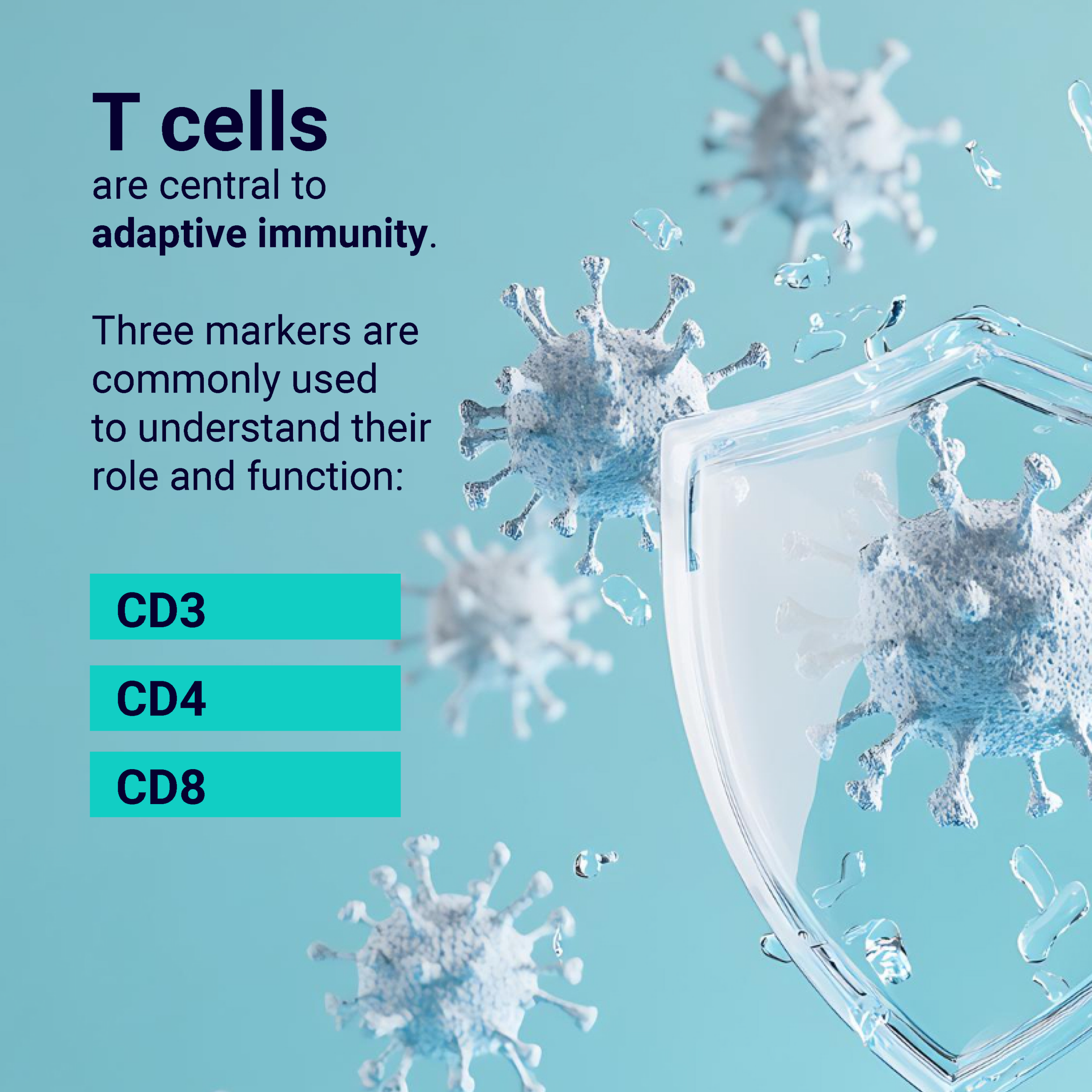
T cells are central to adaptive immunity, and three markers are commonly used to understand their role and function: CD3, CD4, and CD8.
CD3 is a pan-T cell marker. It identifies cells that belong to the T cell lineage and is present on all mature T cells. When researchers refer to “total T cells,” they are usually describing CD3-positive cells.
CD4 T cells are often described as helper T cells. They coordinate immune responses by activating other immune cells, supporting antibody production, and regulating inflammation. CD4 cells play a critical role in immune balance and long-term immune memory.
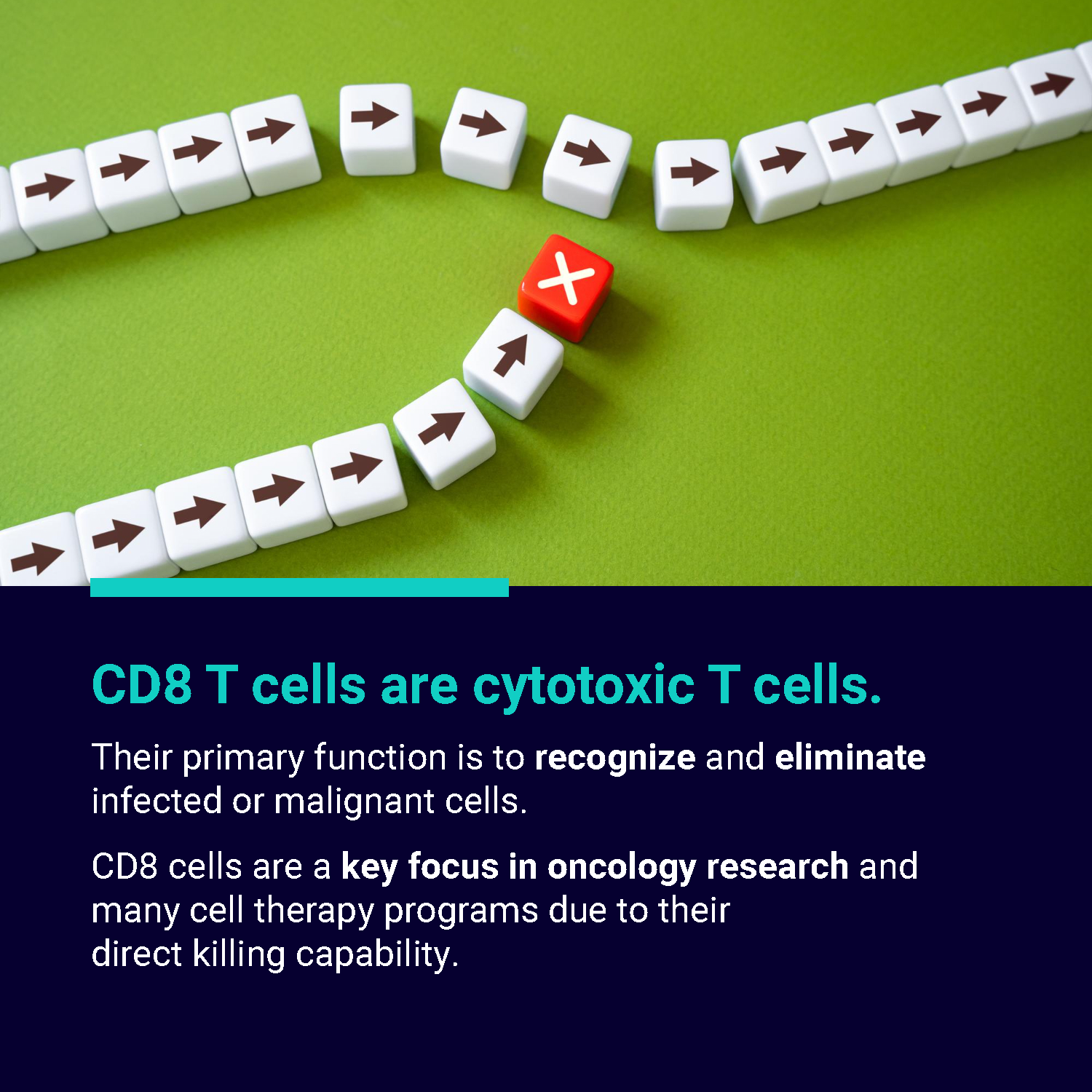
CD8 T cells are cytotoxic T cells. Their primary function is to recognize and eliminate infected or malignant cells. CD8 cells are a key focus in oncology research and many cell therapy programs due to their direct killing capability.
Separating or enriching these populations allows researchers to:
🔬 study immune signaling and regulation
🔬 measure cytotoxic function and exhaustion
🔬 optimize cell therapy starting material
🔬 generate clearer and more interpretable immune data
Understanding the functional differences between CD3, CD4, and CD8 is essential for translating immune biology into meaningful experimental outcomes and therapeutic impact.